Essential Components of the Mediterranean Diet and Their Availability in India
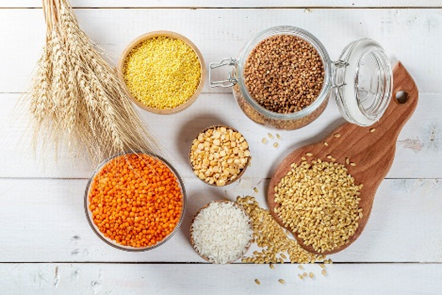
Recommendation: Include whole cereals/grains in your diet.
Whole grains like whole wheat, barley, buckwheat, sorghum (jowar), rolled oats, rice, and quinoa are rich in fiber, antioxidants, vitamins, and minerals. They help lower cholesterol, reduce cancer risk, and benefit patients with other non-communicable diseases.
A wide variety of whole-grain cereals are available in India.
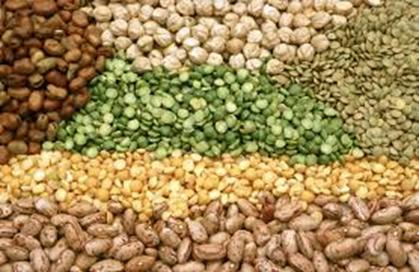
Recommendation: Include pulses and legumes in your daily diet.
Legumes such as chickpeas (chole/chana), kidney beans (rajmah), lentils (masoor), split peas (arhar dal, toor dal), black beans (soyabean, black beans), and black-eyed beans are linked to a lower incidence of type 2 diabetes mellitus and coronary heart disease, and contribute to increased longevity.
Legumes and pulses are integral to the traditional Indian diet.
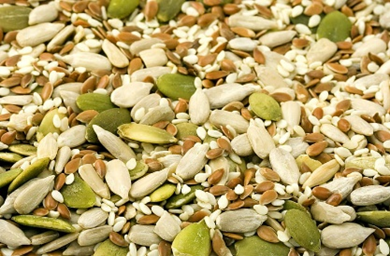
Recommendation: Add nuts and oilseeds to your daily diet.
Nuts like almonds, walnuts, figs, raisins, prunes, hazelnuts, peanuts, pine nuts, pistachios, and seeds like flax seeds, sunflower seeds, sesame seeds and pumpkin seeds are high in monounsaturated fats, phenols, phytosterols, phytic acid, and fiber. These lower plasma lipid levels, reduce cardiovascular disease risk, and help prevent oxidative stress.
A wide variety of nuts and oilseeds are available in India.
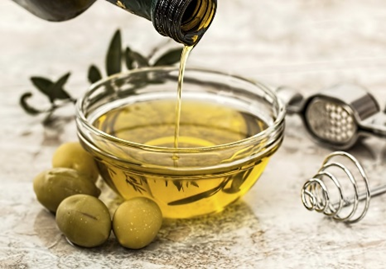
Recommendation: Incorporate good fats and oils in your diet in moderation.
Extra virgin olive oil and olive oil contain antioxidants that prevent cardiovascular disease, cancer, and inflammation, and improve endothelial function. They also inhibit LDL oxidation.
Mustard oil and peanut oil, which have a fatty acid profile somewhat similar to olive oil, can be used.
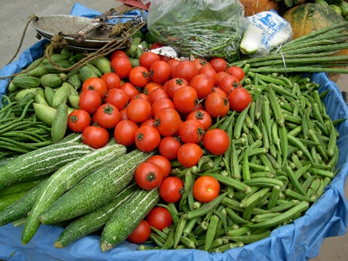
Recommendation: Include plenty of vegetables in each meal.
Vegetables, including green leafy vegetables, roots, tubers, and others, boost cognition with flavonoids. Plant-based diets reduce chronic disease risk and increase longevity. Carotenoids, folic acid, and fiber prevent coronary heart disease, and phytosterols reduce cholesterol and cardiovascular risk.
A wide variety of fresh vegetables are available in India.
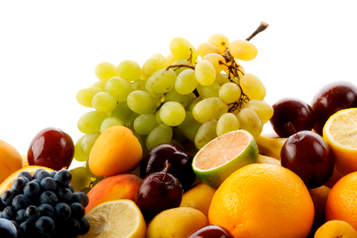
Recommendation: Include different types of fruits in your daily diet.
Fruits like apricots, cherries, figs, grapefruit, lemons, limes, oranges, melons, nectarines, dates, plums, apples, peaches, pears, pomegranates, grapes, tomatoes, honeydew, strawberries, and kiwi lower the incidence of cardiovascular disease and cancer, and provide fiber, vitamins, minerals, flavonoids, and terpenes.
A diverse selection of fresh fruits is available in India.
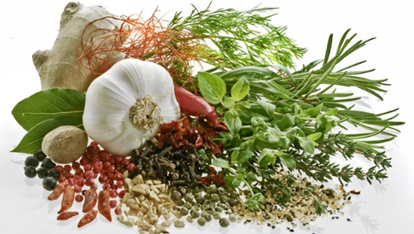
Recommendation: Add spices, herbs, and condiments to every meal.
Spices and herbs like basil, bay leaf, black pepper, cloves, coriander, cumin, fennel, garlic, mint, parsley, and turmeric flavor dishes and are valued for their medicinal, healing properties.
A wide variety of fresh and dried spices, condiments, and herbs are available in India.
Recommendation: Consume low-fat dairy products daily.
Milk and milk products like curd and cheese contain bioactive components that protect against hypertension, coronary vascular disease, obesity, osteoporosis, and cancer.
Milk and its products are easily available in India.

Recommendation: Consume lean meat, fish, and poultry in moderation. Restrict red meats due to their high saturated fat content.
Chicken, chicken eggs, and fish (mackerel, salmon, sardines, tuna) provide high-quality protein, EPA, and DHA, which protect against cardiac arrhythmias, cancer, and hypertension.
While Indian diets are majorly vegetarian, meat, fish, and poultry are also consumed.

Recommendation: Consume sugars and sweets sparingly.
Restricting the consumption of sweets helps manage energy intake and supports long-term metabolic health.

Recommendation: Avoid alcohol consumption.