Indian at heart
IMD uses familiar Indian foods, ingredients, recipes and culinary practices rather than requiring a wholesale change to traditional eating habits.
Familiar • Practical • AdaptableThe Indian-Mediterranean Diet combines healthy Mediterranean dietary practices with familiar Indian home cooking to design an anti-inflammatory diet to protect and promote your health.
“Doctor, what should I eat to protect my heart?” is a ubiquitous question in cardiac clinics. Dietary advice often focuses on what to avoid. The Indian-Mediterranean Diet (IMD) takes a patient-centric approach by focusing on what to include in an overall healthy dietary pattern to support cardiovascular health.
The Indian-Mediterranean Diet applies healthy Mediterranean dietary principles to traditional Indian meals. It gives people an easy, balanced way to enjoy familiar foods while naturally lowering inflammation.
Developed through multidisciplinary research
IMD was developed through multidisciplinary research led by investigators at AIIMS, New Delhi, in collaboration with The George Institute for Global Health, India, with support from ICMR. The work brings together expertise in cardiology, nutrition and biochemistry.

Familiar Indian foods, Mediterranean dietary principles, anti-inflammatory design and a structured research process come together in one practical dietary pattern.
IMD uses familiar Indian foods, ingredients, recipes and culinary practices rather than requiring a wholesale change to traditional eating habits.
Familiar • Practical • AdaptableThe diet applies key principles of the Mediterranean dietary pattern, including greater emphasis on plant foods, whole grains, legumes, nuts, seeds and unsaturated fats.
The dietary pattern is developed with consideration of the inflammatory potential of the overall diet, while maintaining nutritional adequacy and practical food choices.
Food choices and meal combinations are designed around ingredients and eating practices that are familiar and adaptable across Indian settings.
IMD has been developed through a structured scientific process involving dietary assessment, food-composition data, recipe development and evaluation.
How it started
The diet was created for a simple reason: to bring heart-healthy Mediterranean principles into everyday Indian home cooking.
Cardiovascular disease remains a major health challenge in India.
Healthy eating advice needs to be practical, culturally familiar and easy to follow.
Can Mediterranean dietary principles work with the foods and cooking practices Indians already know?
Indian foods × Mediterranean principles = Indian-Mediterranean Diet (IMD).
Why this matters
Cardiovascular diseases continue to be one of the leading causes of death in India. Coronary Artery Disease (CAD), or heart blockages, occurs due to the buildup of fat in the arteries of the heart.
With urbanization, traditional Indian diets have changed from a wholesome balanced thali to refined cereals and processed foods, with low consumption of fresh fruits and vegetables.
Rooted in wellness
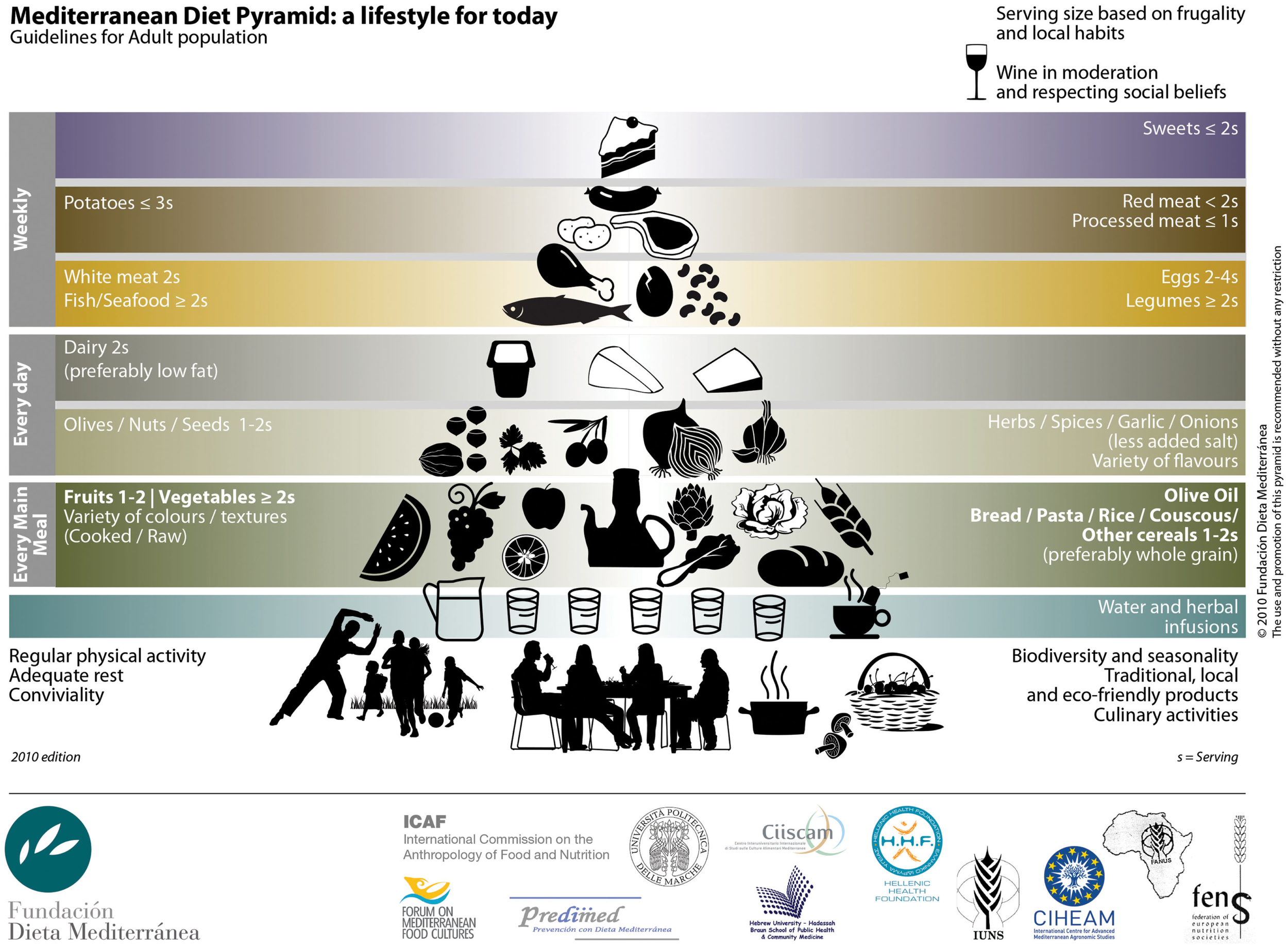
The Mediterranean diet is a dietary pattern traditionally associated with countries bordering the Mediterranean Sea. It has been extensively studied in relation to cardiovascular and other chronic health outcomes.
Rather than being a single fixed menu, the Mediterranean diet is characterised by an overall pattern that places greater emphasis on plant foods, whole grains, legumes, vegetables, fruits, nuts and seeds, and unsaturated sources of fat such as olive oil. Fish and seafood are commonly included, while red and processed meats, refined foods, added sugars and foods high in saturated fat are consumed less frequently.
An important feature is the combination of foods, their relative proportions and the frequency with which they are consumed. These principles provide the foundation for adapting the pattern to different cultures and food environments.
Bridging two worlds
The Indian-Mediterranean Diet translates Mediterranean dietary principles into an Indian food context. The aim is not to replace Indian foods with Mediterranean foods, but to identify appropriate Indian foods, ingredients, and meal combinations that deliver similar nutritional value while remaining familiar, acceptable, and practical.
The scientific process
A five-stage process translates Mediterranean dietary principles into familiar Indian foods, recipes, serving patterns and practical diet plans.
Identify the food groups, dietary characteristics, serving patterns and nutritional principles that define the Mediterranean dietary pattern.
Identify Indian foods and ingredients that can provide comparable nutritional characteristics and are familiar, available and practical for Indian populations.
Use Indian food-composition data and relevant nutritional resources to assess the nutrient contribution of foods and meal components.
Translate the principles into Indian meal combinations, recipes and practical serving patterns using familiar regional foods.
Combine the adapted foods and recipes into nutritionally balanced, culturally relevant dietary plans that can be used in everyday life.